


F2P Meaning: What Free-to-Play Means in Gaming
F2P, or free-to-play, refers to a game you can download and play for free, though it often includes optional in-game purchases. You’ll see F2P titles across both mobile and PC, and in nearly every genre, from strategy and shooters to puzzlers.
What Does F2P Mean?
F2P means free-to-play. These games have no upfront price, and you can download and play them for free.
Though you can play these games without paying, you can often spend money on extra features. Some F2P games also make their money through advertisements.
How F2P Games Work
Instead of charging for the download, an F2P game earns money after you start playing, through optional purchases, ads, or both. That model now dominates mobile: in 2025, 96% of mobile game downloads were free-to-play titles.
Common F2P Monetization Models
Most F2P games mix several of these ways to make money:
- In-game currency: Gems, coins, or other premium currency bought with real money and spent on any type of item in the game.
- Cosmetics and skins: New looks for characters, weapons, or vehicles.
- Season or battle passes: A paid reward track you unlock during a game’s current season. You must often unlock all the rewards by playing during the season, as battle passes expire when a new season starts.
- Ad removal: A purchase that switches off ads.
- Random-reward items: Gacha summons and loot boxes with unknown contents. Paying or spending currency for a random character is the heart of how gacha games work.
- In-game ads: You can watch ads, either for a reward or to keep playing, such as continuing after you lose a level.
Are F2P Games Truly Free?
You can start a free-to-play game and keep playing without paying, with spending remaining optional. Most players never spend at all. Among French F2P players, for example, only about 1 in 4 had spent money in the game over the past year.
Some F2P games, including RAID: Shadow Legends, use time-gated progression with energy limits or daily caps, and spending lets you progress faster. That also means not every item can realistically be earned for free in a reasonable amount of time.
Pay-to-skip timers are a classic example of this design. In Clash of Clans, FarmVille, and AdVenture Capitalist, upgrades or crops take real time to finish, and you can pay to skip the wait.
If you’d rather not pay, daily play and limited events are the main ways to speed things up, so plan your time and resources around them.
What Is an F2P Player or F2P Account?
F2P players are gamers who play free-to-play games and refrain from spending anything on them. Most communities distinguish these types of players from those who do spend.
A game that is “F2P-friendly” means that players who don’t spend can still keep up with paying players, relatively speaking.
F2P vs. P2P, P2W, and Freeware
Free-to-play is often compared with pay-to-play (P2P), pay-to-win (P2W), and freeware.
| Model | How It Earns Money | What Spending Buys |
|---|---|---|
| F2P (free-to-play) | Optional purchases and ads | Cosmetics and faster progress |
| P2P (pay-to-play) | Game sales and subscriptions | Access to the game |
| P2W (pay-to-win) | Purchases that boost power | A decisive edge over other players |
| Freeware | Nothing, or a voluntary fee | Nothing, since there’s no in-game shop |
F2P vs. P2P (Pay-to-Play)
P2P means pay-to-play: you have to pay to play, either with an upfront purchase or through a mandatory subscription. F2P games provide free access and optional purchases later, although many P2P games also have optional microtransactions.
F2P vs. P2W (Pay-to-Win)
Pay-to-win means paying for weapons, abilities, or items that give you an advantage over players who don’t spend money, especially in PvP.
Plenty of F2P games sell items without crossing that line. It all comes down to whether money can beat skill and time. If you’re worried about overspending in any of these games, set spending limits and use parental controls.
F2P vs. Freeware
Freeware is software you can use at no cost, or for a small, usually voluntary fee. F2P is free to start too, but it can sell optional extras inside the game.
Examples of F2P Games
Fortnite is one of the best-known F2P games. You can download and play for free, and it makes money through cosmetic skins, emotes, and the battle pass.
Genshin Impact is a free open-world RPG. You can explore the full world for free, while gacha “wishes” for new characters and weapons are where players spend.
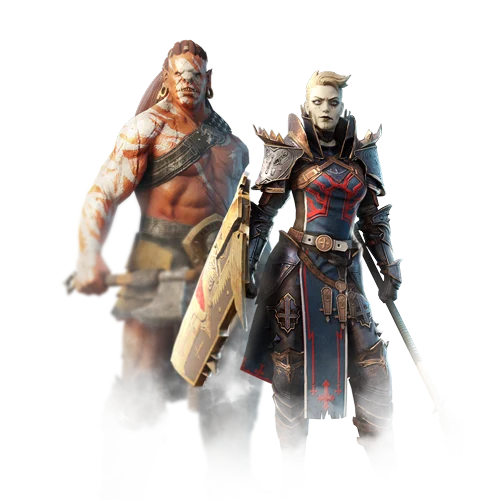
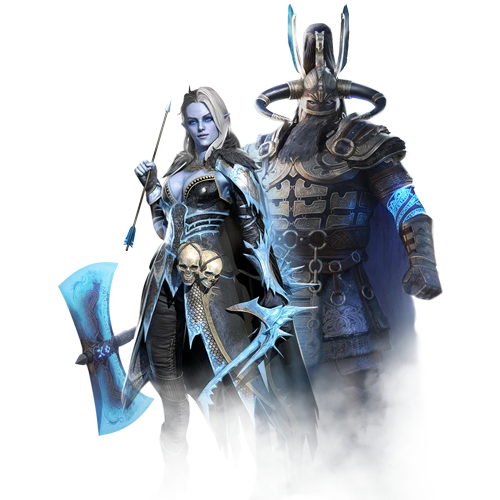
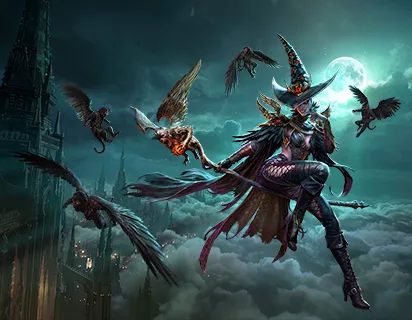
RAID: Shadow Legends is a free collection RPG on mobile and PC, although the gear grind is long, and time-gated progression may push you toward in-game purchases or daily play.