The Cross-Platform Advantage: Play Anywhere, Keep Your Progress


Cross-platform game development is ending the era of progress locked to a single device. Here’s what that means for how you play, who you play with, and where gaming is heading.



Losing a 100-hour save because you switched consoles used to just be accepted as part of gaming. It shouldn’t have been. Modern cross-platform game development is fixing that by moving the entire ecosystem away from hardware and toward unified player accounts that travel with you. Progress, purchases, friend groups: none of it needs to be trapped on a single machine anymore.
Whether you’re grinding a campaign on PC at home or checking your dailies on mobile during a commute, the best modern systems keep everything in sync. Gaming is becoming genuinely hardware-agnostic, and players are finally the ones who benefit.
What Is Cross-Platform Gaming and Where Did It Start?
At its core, cross-platform gaming means a game, account, or service works across multiple hardware ecosystems rather than being locked to one device. Instead of your progress living on a specific PlayStation or a local PC install, it lives on your account and follows you wherever you log in.
Early attempts were surprisingly ambitious. Quake III Arena experimented with connecting PC and Dreamcast players online. Final Fantasy XI ran shared servers across PlayStation 2, PC, and later Xbox 360 simultaneously, making it one of the first major MMORPGs to pull that off. These systems were niche and difficult to maintain, but they proved hardware barriers were never inevitable. The real shift came later once cloud infrastructure, digital storefronts, and proper account systems became standard across the industry.
It’s also worth separating cross-play from cross-progression, because they solve different problems. Cross-play lets players on different platforms play together online. Cross-save lets your progress, unlocks, and purchases move between devices. A game can support one without the other. Modern games increasingly combine both, which is where the experience starts feeling genuinely seamless rather than just partially connected.
Cross-Platform Game Development
Modern cross-platform game development has changed how studios build from the ground up. Instead of shipping separate versions for every device, many studios now use unified engines and shared infrastructure that let updates, patches, and content roll out consistently across PC, console, and mobile. For players, that usually means faster fixes, fewer platform-specific bugs, and a lower chance of one version falling months behind on content.
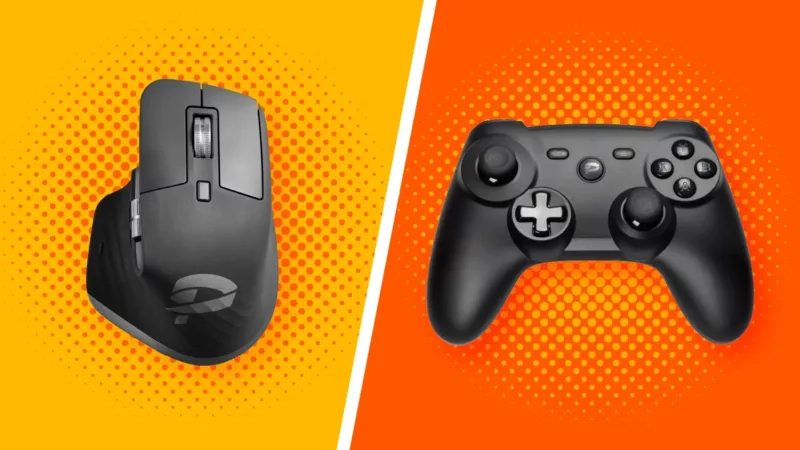
The harder challenge is making it work across wildly different input methods. A menu that feels sharp with a mouse can become a drag on a controller, and touch controls need completely different spacing and responsiveness. The best modern systems handle those differences invisibly: you switch devices and it just works, without constantly reminding you that the hardware underneath is different. That seamless adaptability is quickly becoming a baseline expectation rather than a premium feature.
Advantages of Cross-Platform Apps
The biggest win is what cross-platform does to gaming communities. For years, your friend group was essentially determined by which hardware everyone bought. Cross-platform systems changed that by expanding matchmaking pools, cutting queue times, and making hardware choice largely irrelevant to whether you can actually play together. That’s a genuine quality-of-life upgrade for anyone who’s ever sat out a session because they were on the wrong platform.
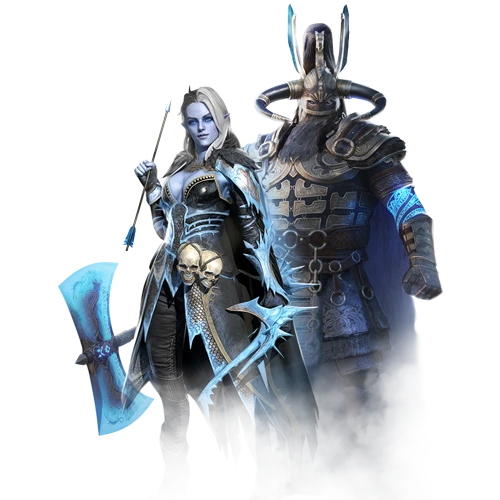
The lifestyle flexibility is just as real. Cross-platform compatibility lets games fit into actual schedules rather than demanding you sit at a specific device in one place. RAID: Shadow Legends supports this through Plarium Play, letting players handle heavier sessions on PC while managing inventory, daily objectives, or rewards from mobile when away from their setup. Progress stays tied to the account rather than the machine, which is genuinely useful for players who split time between devices.
There’s also a financial argument. Cross-platform ecosystems reduce the pressure to own multiple expensive devices just to stay connected with the same games or friend groups. Someone primarily gaming on PC can still meaningfully engage with the same account on mobile without buying into a separate console ecosystem entirely.
Where Cross-Platform Gaming Goes from Here
Cross-platform gaming has shifted the industry from a collection of isolated hardware silos into something closer to one connected community. Progress, purchases, and friend groups follow your account rather than staying locked to a device. That gives players genuine control over when, where, and how they play.
As cross-platform development matures, the gaps between devices are narrowing every year. The direction is clearly toward a more borderless experience where seamless progression and accessibility matter more than the hardware powering it. That’s a direction worth paying attention to.
Cross-Platform Gaming FAQs
What Is Cross-Platform Gaming?
What Was the First Cross-Platform Game?
What Is the Difference Between Cross-Play and Cross-Save?
What Are the Main Advantages of Cross-Platform Apps?