Turn-Based vs. Real-Time Combat: Who Reigns in 2026?


Your combat system shapes everything: the tension, the pacing, and whether your biggest wins come from careful planning or split-second reactions. Here’s how turn-based and real-time stack up in 2026, and why the line between them keeps getting harder to draw.


Your combat system is basically the whole vibe of a game. The tension, the pacing, how badly things fall apart when you make one bad call—it all flows from whether combat runs on turns or in uninterrupted real time. That debate has never been louder than in 2026, as RPGs keep blending genres and players keep asking: which style actually fits the way I play?
Two systems dominate the conversation: turn-based, where you act one step at a time, and real-time, where everything unfolds simultaneously and your reactions matter just as much as your build. Understanding where real-time with pause (RTwP) fits in the middle is how you figure out which camp you belong to.
Core Mechanics Explained
Turn-Based Combat
Turn-based strategy games hand you the wheel on every single move. Each character gets a chance to act before the next turn kicks off, so instead of burning through reflexes, you’re thinking through positioning, ability combos, and how badly a missed move will hurt you three turns from now. If you’ve been wondering whether Baldur’s Gate 3 is turn-based or real-time, it’s fully turn-based, pulling its combat directly from tabletop D&D rules.
Modern entries like Metaphor: ReFantazio and Like a Dragon: Infinite Wealth hit the same note, keeping battles tactical without drowning you in complexity. The slower pace also gives you actual breathing room to experiment with builds and party synergies before committing to anything.
Real-Time Combat
Real-time combat doesn’t wait for you. You and your enemies are moving at the same time, so dodging, timing, and reading the fight moment-to-moment matters as much as your stat sheet. Games like Black Myth: Wukong and Ghost of Yotei lean hard into fast, cinematic action where a mistimed dodge can undo a flawless opener.
It feels more physically connected because you’re always in direct control, creating a sense of momentum that turn-based systems genuinely can’t replicate. It’s a rougher entry for newcomers, but once it clicks, it’s hard to go back.
Real-Time With Pause (RTwP)
RTwP sits squarely in the middle. Combat runs in real time, but you can freeze it whenever you need to reposition, pop an ability, or rethink your plan entirely. Dragon Age: Origins and Pillars of Eternity II: Deadfire popularized this by combining the energy of action combat with genuine tactical breathing room.
It can feel awkward early on since you’re constantly switching between watching the action and stopping it to manage the battlefield. Once that rhythm clicks, though, it opens up a lot of options.
Pacing & Strategic Depth
Turn-Based Strategy
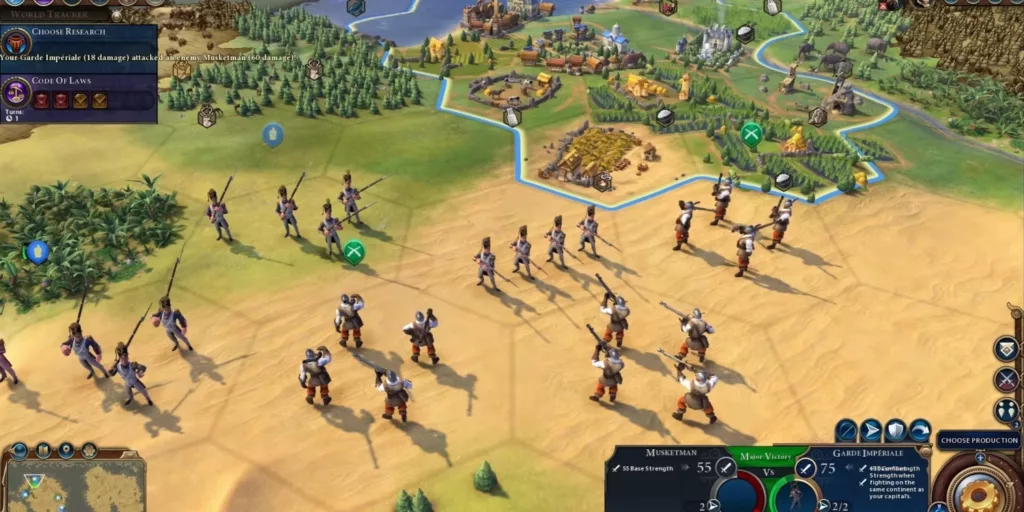
Turn-based strategy games slow everything down on purpose. The whole point is studying the battlefield, planning several moves ahead, and owning the consequences of every call. That’s why the RTS vs TBS debate usually comes down to whether you value pressure or planning more. XCOM 2 and Civilisation VI build tension through anticipation rather than speed, where one bad decision can tank a run that looked fine twenty minutes earlier.
It can drag a bit during lengthy enemy turns or when a battle’s outcome already feels settled before the animations catch up. But for chess-brain players who want deliberate, high-stakes decision-making, turn-based delivers a tactical clarity that real-time games rarely match.
Real-Time Strategy
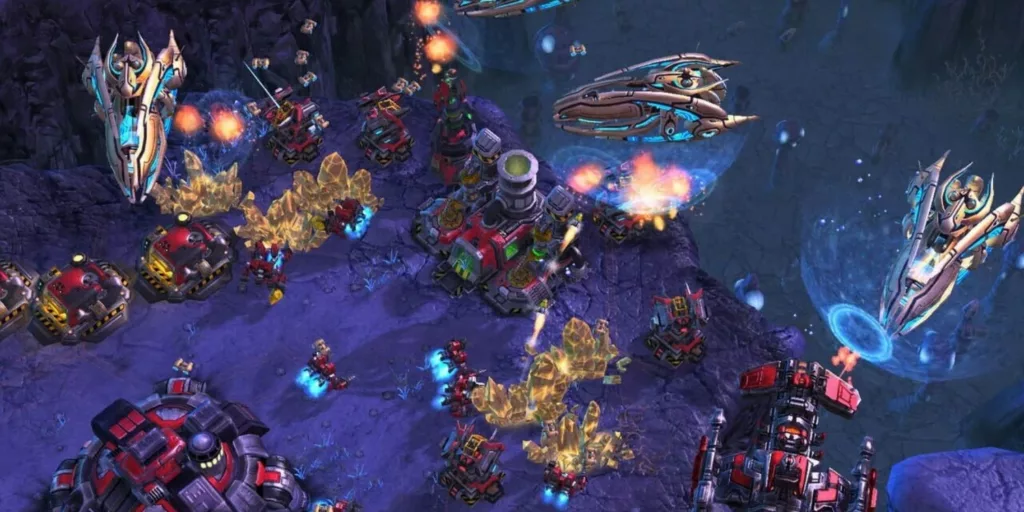
Real-time strategy games are the go-to from the first second. In StarCraft II or Age of Empires IV, the battlefield never pauses, so strategy becomes inseparable from speed, execution, and staying composed under pressure. You’re not planning perfectly here—you’re rapidly prioritizing, reading the map on the fly, and reacting before your opponent does.
That nonstop intensity is a huge part of the appeal. Some players love it. Others find it exhausting compared to the more measured rhythm of turn-based play, and both reactions are completely valid.
Accessibility & Skill Requirements
Turn-Based Strategy
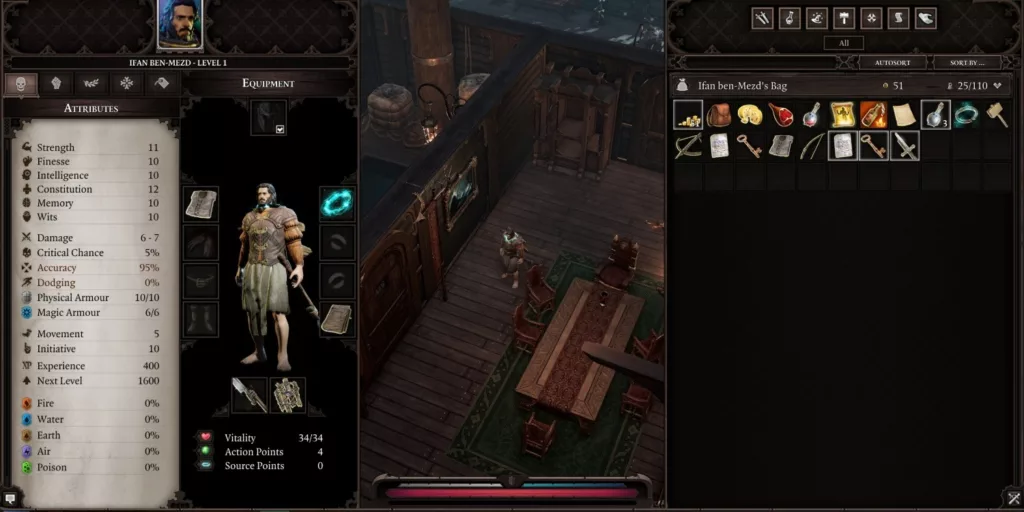
Turn-based combat is generally easier to approach because the game gives you time to actually read what’s happening before committing. Divinity: Original Sin 2 and XCOM can throw a lot at you—layered status effects, dense stats, overlapping cooldowns, but the slower pace lets you absorb those systems gradually rather than while someone’s already swinging at you.
The challenge is mostly mental: processing rules, managing resources, and planning ahead rather than nailing frame-perfect inputs. The sheer volume of tooltips and interconnected mechanics can feel overwhelming early on, but the ability to pause and think is a genuine advantage once you get your footing.
Real-Time Strategy
Real-time combat has a steeper early curve because you’re processing and acting at the same time. In StarCraft II, Devil May Cry 5, or Age of Empires IV, quick reactions, precise inputs, and consistent multitasking aren’t optional; they’re the job. Competitive RTS players even track Actions Per Minute as a core efficiency metric, which tells you something about how demanding the skill ceiling gets.
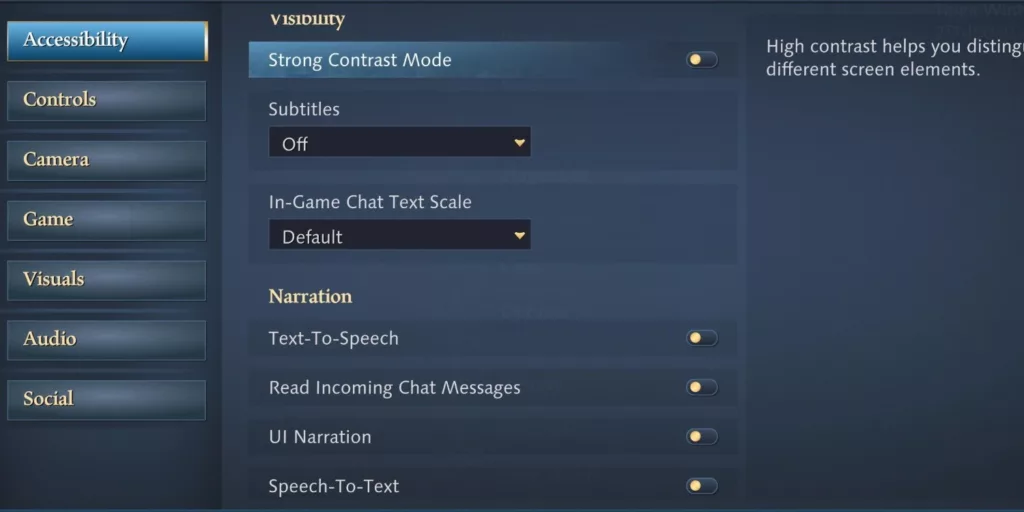
Mistakes carry immediate consequences with little time to recover. That said, once muscle memory builds, those split-second decisions start feeling fluid and genuinely satisfying. Most modern titles also include difficulty sliders and accessibility options that soften the early grind without gutting the core experience.
Immersion & Tactical Control
Turn-Based Strategy
Turn-based combat builds immersion through control rather than momentum. Because time stops between actions, you can zoom out and treat each encounter like a puzzle, carefully positioning units, managing line-of-sight, and coordinating abilities across a whole party. Baldur’s Gate 3 and XCOM 2 lean into this with overhead tactical views that make the battlefield readable rather than chaotic.
The trade-off is that cinematic flow gets interrupted constantly by menus and ability selections. What you get in return is real agency: every action feels intentional, not reactive. For a lot of players, that depth of control hits harder than any cutscene.
Real-Time Strategy
Real-time combat builds immersion through uninterrupted motion. Whether it’s flowing swordplay in an action RPG or nonstop multitasking in an RTS, keeping the clock running makes fights feel immediate and physically connected. Devil May Cry 5 and StarCraft II both rely on this momentum: those split-second cinematic moments lose their weight the instant you pause to think about them.
The trade-off is precision. There’s no time to micro-manage every variable when everything’s already in motion, so real-time systems reward adaptability and instinct over careful individual control.
Multiplayer Viability & Cognitive Load
Turn-Based Strategy
Turn-based multiplayer is naturally more flexible because the structure allows for asynchronous play, longer sessions, and actual tactical discussion between moves. Civilisation VI and Baldur’s Gate 3 both support co-op without demanding constant attention, making them easier to fit around real life. In co-op specifically, the format actively encourages conversation; you can debate positioning, argue over skill usage, and collectively second-guess every call before committing.
The downside is pacing: sessions can drag when one player takes their time, and long multiplayer runs can feel sluggish once the outcome is already in sight.
Real-Time Multiplayer
Real-time multiplayer keeps everyone locked in simultaneously, which is either its best feature or its biggest ask depending on how you play. Coordinating raids in an MMO, surviving co-op RTS waves, or grinding ranked in StarCraft II all revolve around immediate callouts and fast reactions rather than drawn-out planning sessions.
The cognitive load is real—you’re tracking cooldowns, map awareness, enemy patterns, and teammates all at once while still executing actions. If that kind of flow state is your thing, it’s unbeatable. If not, extended sessions can be genuinely draining.
Modern Player Preferences in 2026
The industry has largely moved on from treating turn-based and real-time as opposing camps. RPGs in particular are seeing renewed interest in slower, more flexible systems as players with limited uninterrupted time look for games that don’t punish stepping away mid-fight. Community feedback around modern JRPGs consistently highlights the value of being able to pause, process, and play at your own pace without losing ground.
At the same time, hybrid systems are quickly becoming the preferred middle ground. Games are increasingly mixing real-time movement with turn-based abilities, timed inputs, or pause mechanics rather than fully committing to either approach. Clair Obscur: Expedition 33 and the broader RTwP revival show developers actively trying to serve both audiences at once. Accessibility features like customizable timing windows, difficulty modifiers, and toggleable combat modes have gone from optional extras to baseline expectations.
So, Which One Should You Play?
Turn-based and real-time combat both work because they’re solving different problems. One gives you control, clarity, and the space to outthink an encounter. The other gives you momentum, immersion, and the rush of holding your own in a live fight. Neither is better. They suit different playstyles, different moods, and different points in your gaming life.
What’s clear heading through 2026 is that the line between them keeps shrinking. Hybrid systems, adaptive difficulty, smarter AI, and better haptic feedback are all quietly erasing the gap between tactical precision and cinematic action. The debate will keep going on forums, but the games themselves have already started moving past it.
Turn-Based vs. Real-Time Combat FAQs
What Is Turn-Based Combat?
What Is a Turn-Based RPG?
Is Baldur's Gate 3 Turn-Based or Real-Time?
What Does RTwP Mean?
What Is Real-Time Action in Games?
RTS vs TBS: What's the Difference?